






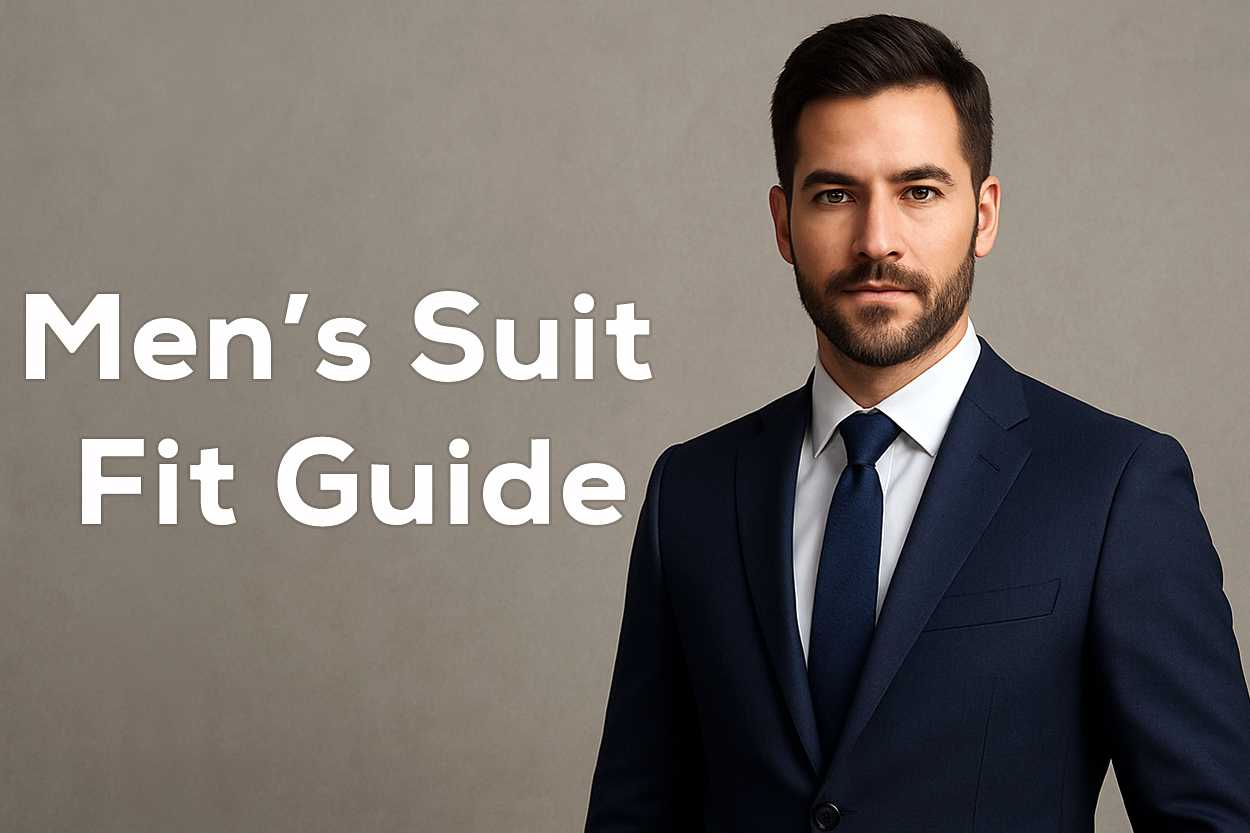
Men’s Suit Fit Guide: How to Find the Perfect Suit for Your Body
The Men’s Suit Fit Guide reveals that real confidence comes from how well your suit fits, not its brand or cost. A perfect fit reflects self-respect, comfort, and balance, making every man look sharp, confident, and effortlessly stylish.
This men’s suit fit guide will walk you through everything you need to know before buying your next suit, from choosing the right cut to ensuring it feels as good as it looks.
Why Fit Matters More Than Anything
A two-hundred-dollar suit that fits well can look better than a two-thousand-dollar one that does not. The right fit sharpens your posture, defines your shoulders, and makes you look instantly polished.
Your suit should follow your body’s shape, comfortable, structured, and easy to move in without feeling tight or loose. Look at this table.
1. Know Your Fit: Classic, Slim, or Modern
2. The Shoulder Test
3. How the Jacket Should Fit
4. Get the Pants Right
5. Choose the Right Fabric
6. Tailoring Makes All the Difference
7. Match Your Fit to the Occasion
8. Signs That Your Suit Does not Fit
9. Conclusion

1. Know Your Fit: Classic, Slim, or Modern
Before you start shopping, understand the three main types of suit fits.
Classic Fit: This timeless style gives extra room in the chest and legs. It feels comfortable and works best for men who like a traditional look or want a little more movement.
Slim Fit: Slim suits taper through the waist and thighs, giving a sleek and modern look. They suit lean or athletic builds and are a popular choice for weddings, offices, and social events.
Modern Fit: If you want something in between, go for the modern fit. It offers a tailored shape without feeling too tight. It’s the most versatile choice for most body types.
Also Read: How to dress for your body type
2. The Shoulder Test
The easiest way to tell if a suit fits is by checking the shoulders. The seam should line up exactly where your shoulder ends.
If the seam hangs over your arm, it’s too big. If it pulls or wrinkles, it is too small. You can fix sleeve or waist issues later, but shoulder fit is hard to correct. Always get that part right.
3. How the Jacket Should Fit
Your jacket should feel like a firm handshake. Confident, not crushing.
Here’s what to check:
- The lapels should lay flat on your chest.
- When buttoned, the jacket should hug your midsection lightly.
- You should be able to slide a flat hand between your chest and the jacket.
- The jacket hem should end around your knuckles when your arms hang naturally.
If you see an X-shaped wrinkle near the buttons, that means it’s too tight. Smooth, clean lines mean a perfect fit.
4. Get the Pants Right
Pants are where many suits lose their balance.
They should sit comfortably at your waist, not your hips. The fabric should break once at the top of your shoes, creating a clean crease without bunching.
Quick Fit Tips:
- Too long means extra folds at the ankles.
- Too short means visible socks when standing straight.
- The seat should fit close without stretching or pulling.
5. Choose the Right Fabric
Fabric affects how your suit fits, feels, and lasts.
Wool: Classic and breathable. Works year-round and keeps its shape well.
Linen: Light and airy. Ideal for summer, though it wrinkles easily.
Cotton and Blends: Affordable and comfortable, but less structured than wool.
Tweed or Flannel: Thicker fabrics that add warmth and structure for colder months.
If you wear suits often, start with one all-season wool suit and one light linen blend.
6. Tailoring Makes All the Difference
Even the best suits need small adjustments.
A skilled tailor can turn a standard suit into something that feels made just for you. Have them adjust the sleeves, waist, and hem until everything sits just right.
Think of tailoring as the final polish that completes your look.
7. Match Your Fit to the Occasion
For Office Wear: Choose a classic or modern fit in neutral tones like navy, grey, or charcoal.
For Weddings and Parties: Slim-fit suits with sharper lapels or tuxedo-style details make a great impression.
For Casual Settings: Try lighter fabrics or unstructured blazers with chinos or loafers for a relaxed, smart look.
8. Signs That Your Suit Does not fit
Before leaving the store, do a quick mirror check. If you notice any of these, the fit is not right.
- Wrinkles around the buttons or shoulders
- A collar that stands away from your neck
- Pants pulling across the thighs
- Sleeves covering your hands
If one or more of these apply, visit a tailor before your next event.
Conclusion:
A great suit does not just make you look sharp. It changes how you carry yourself.
When the fit feels right, you will walk differently, stand taller, and feel more confident in any room.
Use this Men’s Suit Fit Guide every time you shop. Remember, style trends will come and go, but a well-fitted suit is always timeless.
GADGETS
Body Mass Index Calculator
Ideal Body Weight Calculator
Body Fat Percentage Calculator