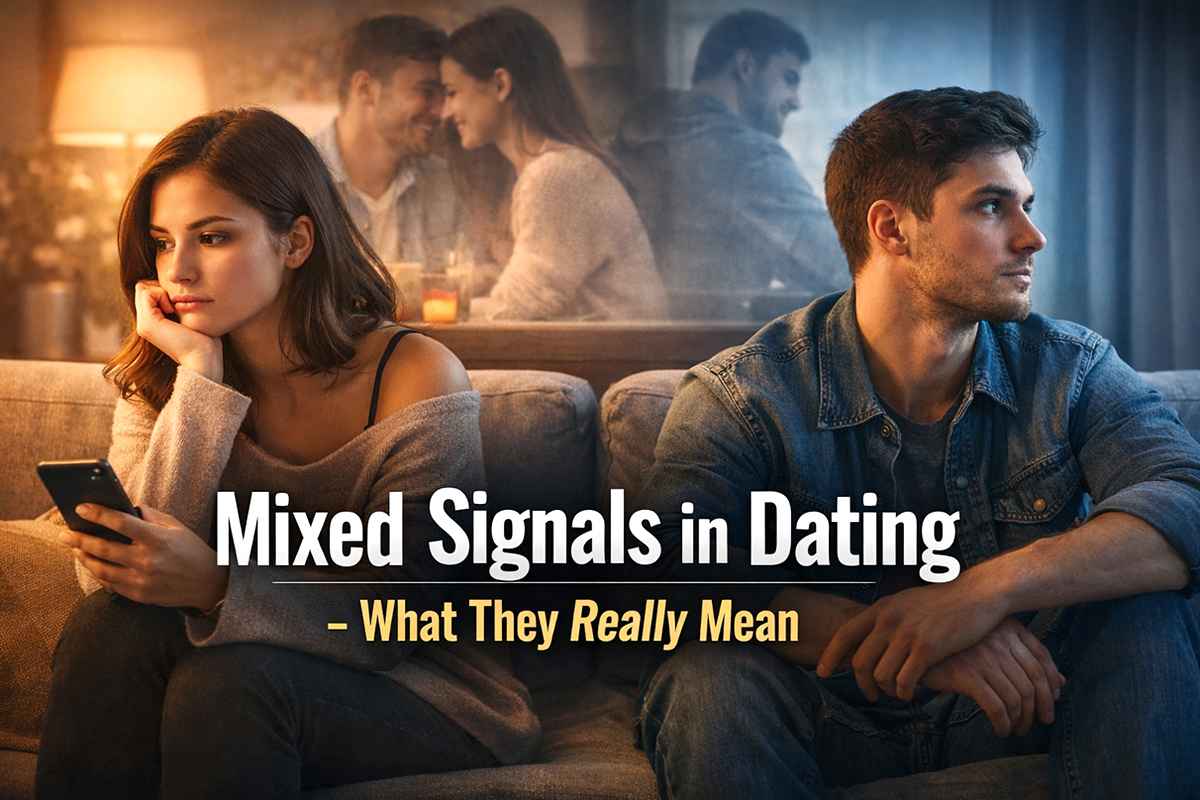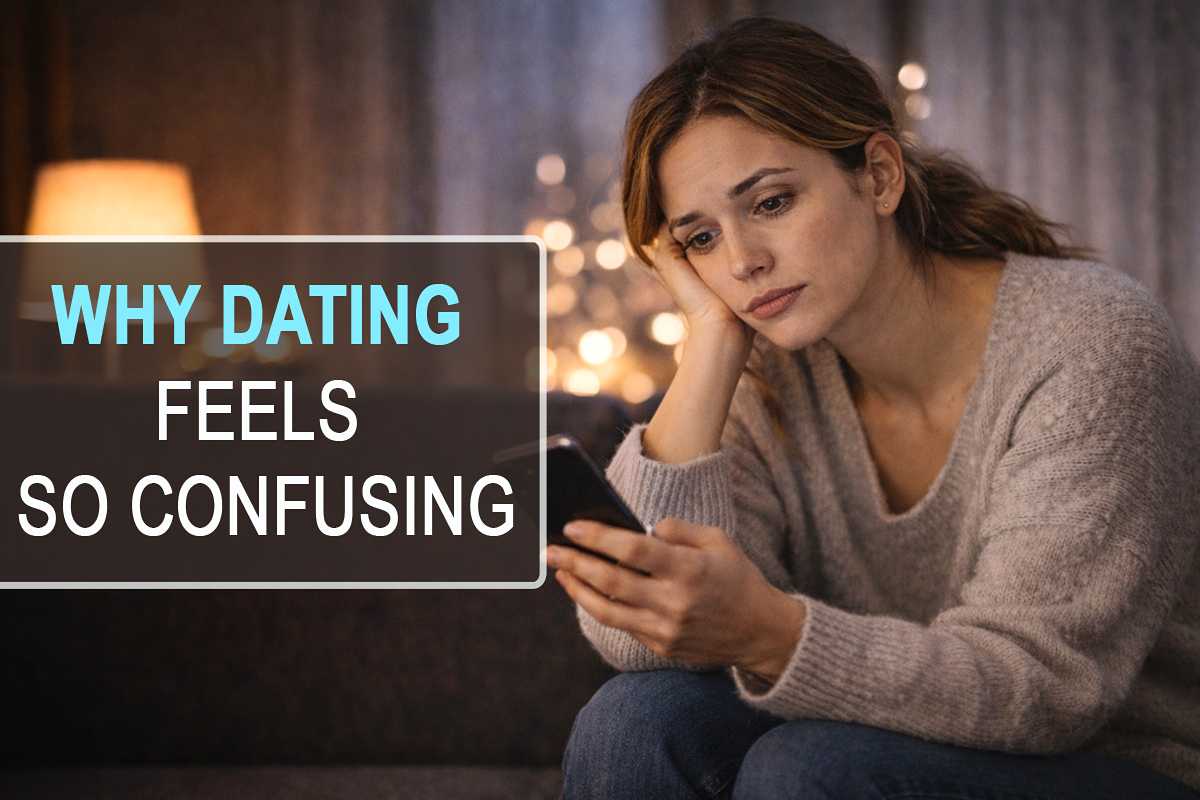

A couple sitting quietly apart on Valentine’s Day, reflecting emotional distance and awkwardness in their relationship.
Valentine’s Day doesn’t always feel romantic. Sometimes distance, stress, or silence makes even simple words feel emotionally heavy.

When “Happy Valentine’s Day” Feels Awkward to Say

There’s a moment that happens quietly on Valentine’s Day.

You open your messages. You type the words
Happy Valentine’s Day. And then you stop.

You stare at the screen a little longer than you expected to. You wonder if the words feel true or just expected.

So you delete them.
Type again. Delete again.

It’s not that you don’t care about the person. It’s that something about the day feels emotionally out of sync with where the relationship actually is.

And suddenly, three simple words feel heavier than they should.

Here’s what this article explores:

1. When Distance Changes the Tone
2. When Life Stress Sits Between You
3. Silent Conflicts No One Mentions
4. When the Words Feel Like a Performance
5. Long-Term Relationships Feel This Too
6. When Emotional Timing Doesn’t Match the Calendar
7. When One Person Feels More Invested Than the Other
8. Why Awkwardness Doesn’t Mean Love Is Gone
9. The Pressure to Feel “Happy” Can Backfire
10. A Quieter, More Honest Way to See the Day
11. FAQs

When Distance Changes the Tone

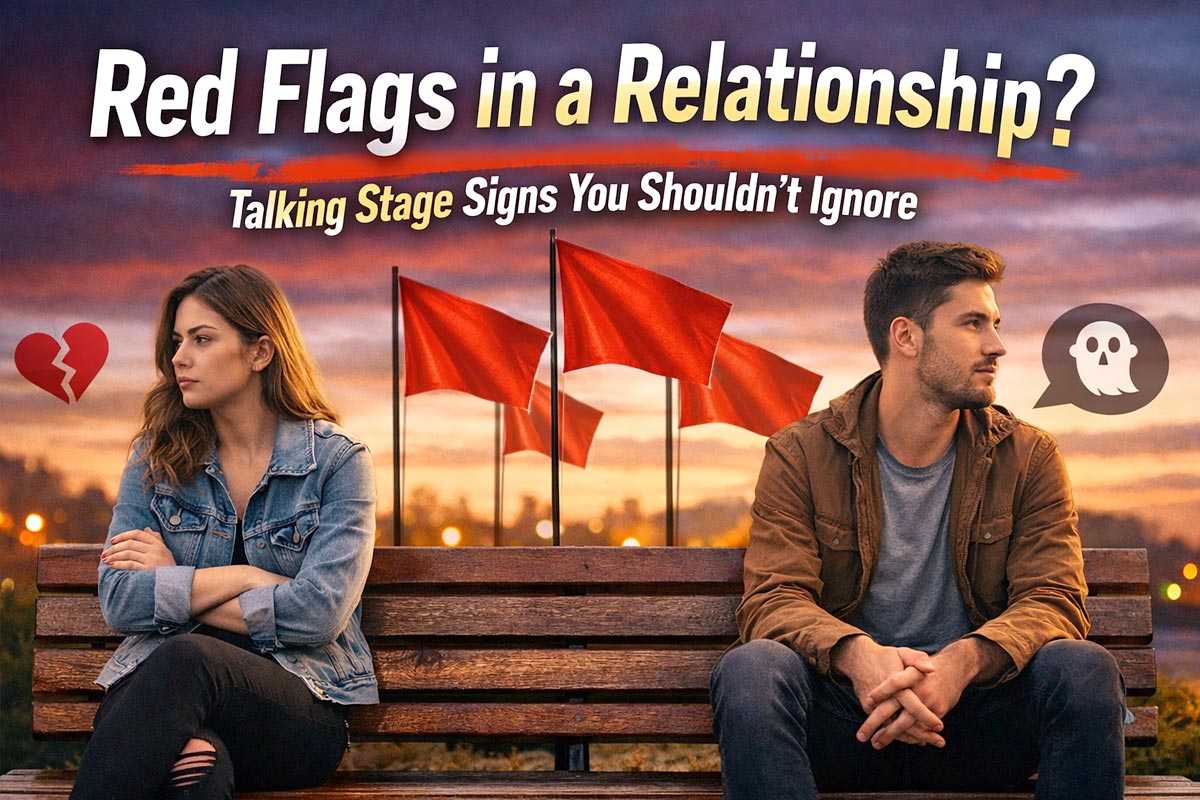
For couples in long-distance relationships, Valentine’s Day often carries a quiet ache.

You want to celebrate. You want to feel close.
But physical absence changes the emotional texture of the day.

Video calls replace dinners. Messages replace touch.
Time zones interrupt shared moments.

Saying “Happy Valentine’s Day” can feel bittersweet — loving, but incomplete.

You’re celebrating love, while being reminded of the distance that love is trying to survive.

The words aren’t awkward because the love isn’t real. They’re awkward because the closeness isn’t immediate.

When Life Stress Sits Between You

Sometimes the awkwardness has nothing to do with the relationship itself.

Life just gets heavy – work pressure, financial strain, family responsibilities, emotional exhaustion.

When people are stretched thin mentally, romance often moves to the background. Not because it matters less, but because survival takes priority.

So when Valentine’s Day arrives, the expectation to suddenly feel light, affectionate, and celebratory can feel disconnected from reality.

You want to say something warm. But stress dulls emotional expression. The words feel forced not because the love is gone, but because the energy to express it is temporarily drained.

Silent Conflicts No One Mentions

Often, the biggest reason the words feel awkward is silence, not distance.

Unresolved conflicts, unspoken disappointments, tensions that have never been fully resolved. Nothing explosive, but simply a silent emotional residue that lingers between two people.

On normal days, it’s easy to ignore. But Valentine’s Day heightens emotions that already exist beneath the surface.

You start wondering:

Should I say it first?
Will it feel fake if I do?
Are we okay right now, or just functioning?

The words become complicated because they require emotional alignment, and when alignment feels off, even kind gestures feel performative.

When the Words Feel Like a Performance

Valentine’s Day has a script. And it starts to feel like a performance.

  • You’re expected to say certain things.
  • You’re expected to send certain messages.
  • You have to show certain emotions.

But you have to know that relationships don’t always follow a script.

So sometimes people say Happy Valentine’s out of obligation rather than feeling. They say it because the calendar demands it, not because the moment demands it. And it’s easy to feel that distance.

You can feel the words coming from habit rather than presence.

That’s when it feels strange, not because there’s a lack of love in the relationship, but because for a while, genuineness seems to be missing.

Long-Term Relationships Feel This Too

Awkwardness is not limited to new or struggling couples. Even long-term partners feel it sometimes.

Years into a relationship, Valentine’s Day can feel less like excitement and more like expectation. You know each other deeply. You care.
But the pressure to create a “special moment” on demand can feel artificial.

Saying Happy Valentine’s Day might feel routine instead of heartfelt, like repeating a tradition rather than expressing a present emotion.

That doesn’t mean the relationship lacks depth. It often means the love has settled into something quieter, steadier, less performative.

When Emotional Timing Doesn’t Match the Calendar

Love doesn’t move on schedules. Some weeks feel deeply connected. Others feel distant, distracted, or quiet.

Valentine’s Day arrives regardless of where a couple emotionally stands at that moment. If the relationship happens to be in a strained phase, the holiday can feel mistimed. You’re expected to express closeness while still working through distance.

It’s like being asked to celebrate while you’re still figuring things out.

The words feel awkward because they’re arriving before emotional readiness does.

When One Person Feels More Invested Than the Other

Another layer of awkwardness appears when emotional investment feels uneven. One partner feels expressive and the other feels distant or distracted.

In those moments, even simple greetings feel loaded. You hesitate because you’re unsure how it will land.

  • Will it feel welcomed?
  • Ignored?
  • Returned half-heartedly?

The awkwardness comes from emotional uncertainty, not lack of care. Words feel heavier when you don’t know how they will be received.

Why Awkwardness Doesn’t Mean Love Is Gone

It’s easy to misinterpret these moments.

People assume that if Valentine’s Day feels awkward, something must be wrong with the relationship. But awkwardness often reflects context, not collapse.

Distance, stress, unresolved tension, emotional fatigue, all of these shape how people express affection temporarily. Love does not disappear just because expression feels difficult for a while.

Relationships move through emotional seasons.
Some are expressive, some are quiet, and some need patience more than celebration.

The Pressure to Feel “Happy” Can Backfire

The phrase itself carries emotional weight: “Happy Valentine’s Day. Because we all feel joy, a sense of lightness, and a sense of certainty when it comes to being romantic.

When someone is not fully feeling those things, saying these words can feel emotionally dishonest.

Not because they don’t value the relationship, but because the emotional tone of the day doesn’t match the emotional reality they’re experiencing.

And people automatically avoid expressing emotions they don’t truly feel at the time.

A Quieter, More Honest Way to See the Day

Valentine’s Day does not always need big gestures or perfect moments. Sometimes the day feels soft, sometimes a little awkward, and sometimes very quiet, and that is completely normal.

Love is not measured by how perfectly someone says three words on one specific date. It shows more in everyday actions, patience, support, and emotional presence over time.

If saying “Happy Valentine’s Day” feels uncomfortable, it may simply reflect real things the relationship is going through, distance, stress, healing, or transition. That awkward feeling does not mean love is missing. Often, it just means love is moving through a more honest, less polished phase.

FAQs

Q1. Why does saying Happy Valentine’s Day feel awkward?
It can feel awkward when couples are dealing with distance, unresolved tension, or emotional stress. The words feel misaligned with the emotional reality of the relationship.

Q2. Is it normal to feel disconnected on Valentine’s Day?
Yes. Many couples experience emotional distance during stressful periods. Holidays often amplify feelings that already exist beneath the surface.

Q3. Can long-distance relationships make Valentine’s Day harder?
Long-distance couples often feel the absence more strongly on Valentine’s Day, making celebrations feel incomplete despite genuine love.

Q4. Does awkwardness mean the relationship is failing?
Not necessarily. Awkwardness often reflects temporary emotional strain rather than a lack of love or commitment.

Q5. Why do Valentine’s Day expectations create pressure?
The cultural pressure to feel romantic on a specific day can create emotional disconnect when real-life stress or conflict is present.