this drawing a person practicing Bharadvajasana seated twist with upright posture and legs folded to one side.
Bharadvajasana offers a gentle spinal twist that helps improve mobility and posture.

Bharadvajasana: A Complete Guide to the Classic Seated Spinal Twist.

If you have practiced yoga for a while, you have probably experienced how a simple twist can make your back feel lighter, your breath steadier, and your mind a bit more grounded. Bharadvajasana, also known as Bharadvaja’s Twist – is one of those quiet poses that does not scream for attention. Yet it can leave you feeling as if someone gently wrung out stress from the inside.

This guide breaks down the history, alignment, benefits, variations, common mistakes, and safety insights so you can practice Bharadvajasana with confidence.

In This Article:

1. What Is Bharadvajasana?
2. Why This Pose Matters
3. How to Practice Bharadvajasana Safely
4. Alignment Tips for Better Stability
5. Benefits of Bharadvajasana
6. Common Mistakes to Avoid
7. Variations for Different Levels
8. How Long to Hold Bharadvajasana
9. Complementary Poses
10 . FAQs

What Is Bharadvajasana?

Bharadvajasana is a seated spinal twist named after the sage Bharadvaja, one of the legendary figures mentioned in ancient yogic texts. The pose appears in classical Hatha yoga traditions and is taught in most modern yoga lineages.

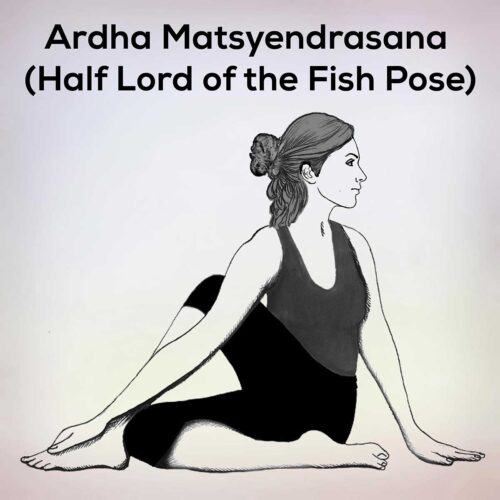
It is considered a gentle to moderate spinal twist, often recommended for improving mobility in the upper back, shoulders, and neck. Because it keeps the legs folded to one side, it offers a slightly different twist pattern compared to the more common Ardha Matsyendrasana (Half Lord of the Fishes Pose).

Why This Pose Matters

Twisting poses are popular in yoga for a simple reason: They help reduce stiffness caused by today’s sedentary lifestyle.

These poses, with gentle twists, can help with things like:

  • Encourage spinal mobility
  • Improve awareness of posture
  • Release muscular tension in the back and shoulders
  • Support better breathing by creating more space around the rib cage

These benefits apply to Bharadvajasana as well, making it a reliable pose for students of all levels.

How to Practice Bharadvajasana (Step-by-Step)
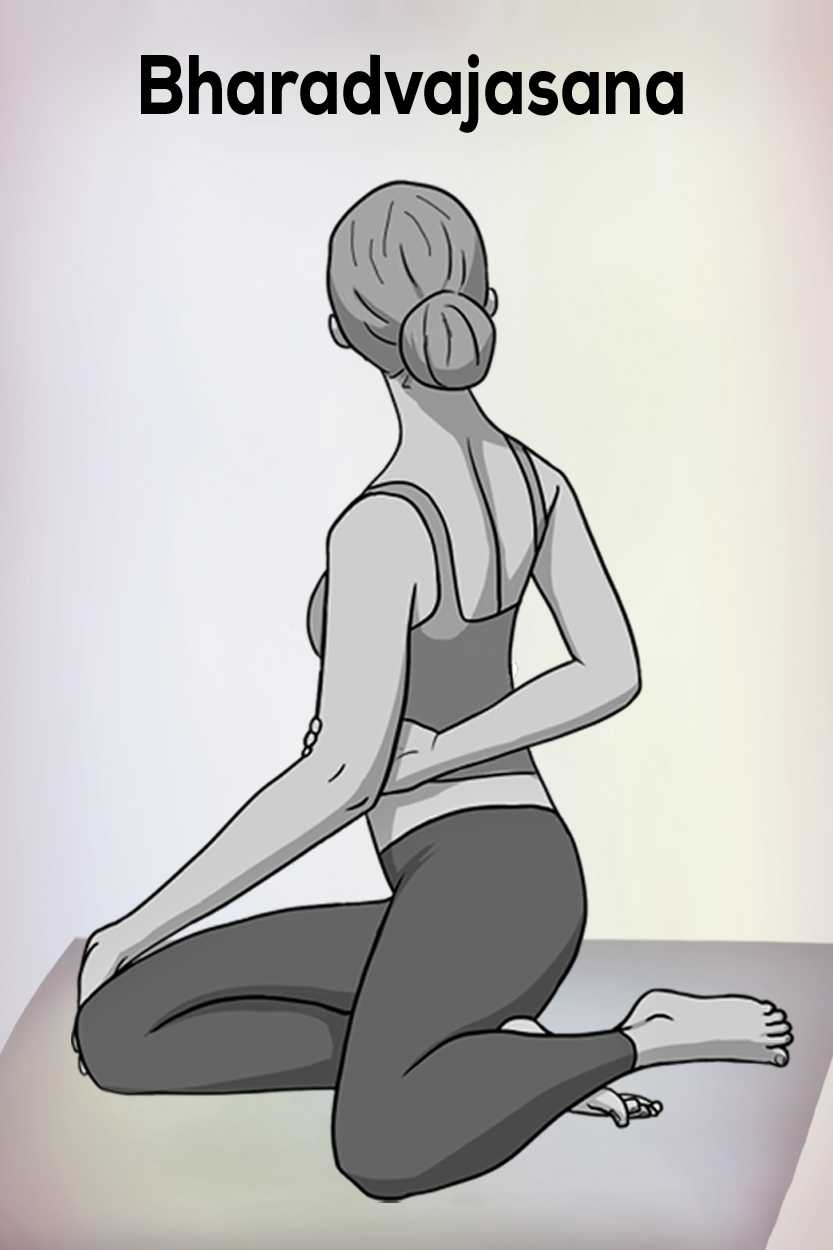
Bharadvajasana Guide: Steps, Benefits, Variations & Safety Tips

Before you get into the pose, sit on a yoga mat or a firm surface. If your hips feel tight or your knees lift too high, grab a folded blanket. Extra height under the seat makes this twist feel more accessible.

1. Set Up the Base

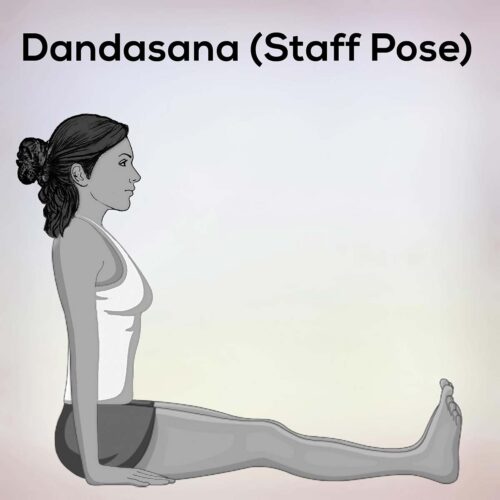
Sit in Dandasana (Staff Pose) with your legs extended forward. Keep your spine tall and neutral. Bring both legs to your left side so your feet rest near your left hip. Your right buttock will stay grounded, but the pelvis will rotate slightly.

2. Lengthen the Spine

Lift through your chest. Imagine you are growing taller from the crown of your head. This length makes the twist safer and more effective.

3. Begin the Twist

Turn your torso gently to the right. Start the movement from your mid-back, not your shoulders. Place your right hand behind you for support. Bring your left hand to the outside of your right knee.

4. Use the Breath

Inhale to lengthen the spine.
Exhale to rotate a little deeper without forcing it.

5. Keep Your Neck Comfortable

Turn your head in the same direction as your torso only if it feels natural. Otherwise, keep your gaze forward or slightly to the side.

6. Hold and Release

Stay for 5–8 breaths.
Unwind slowly and return to the center before switching sides.
Alignment Tips for Better Stability

  • Sit higher if your knees feel stressed. Most yoga teachers recommend using a prop for comfort.
  • Keep both sitting bones grounded. This keeps your lower back stable.
  • Avoid collapsing in the chest. Lifting through the sternum keeps the twist rooted in the mid-spine.
  • Relax your jaw and face. Softening unnecessary tension lets the twist feel more integrated.

Key Muscles Involved

While Bharadvajasana is a gentle pose, several major muscle groups play a supportive role. Based on anatomical breakdowns found in standard yoga anatomy resources (such as works by Leslie Kaminoff and Yoga Anatomy Foundation), the pose typically engages:

Primary Muscles

  • Obliques (internal and external) – responsible for rotation
  • Transverse abdominis – helps stabilize the core
  • Erector spine – supports spinal extension
  • Rhomboids and mid-back muscles – assist in maintaining upright posture

Secondary Muscles

  • Hip flexors and quadriceps – help maintain folded-leg position
  • Shoulder stabilizers – keep the upper body lifted

You do not need deep anatomical knowledge to practice the pose, but understanding which muscles are active can help improve your alignment.

Benefits of Bharadvajasana.

When Bharadvajasana yoga twists are performed mindfully, they have several gentle, functional benefits. These include:

1. Encourages a Healthy Spine

Regular twisting improves mobility in the thoracic spine, which tends to get stiff from hours of sitting. Bharadvajasana helps counter that stiffness.

2. Releases Upper-Back and Shoulder Tension

Many yoga practitioners use this pose to ease tightness caused by typing or driving. The rotation opens space around the shoulder blades.

3. Supports Better Breathing Patterns

A lifted chest and rotated rib cage can help make breathing feel deeper and more expansive.

4. Cultivates Mind-Body Awareness

Like many yoga poses, Bharadvajasana encourages concentration on breath and posture, which can help reduce stress levels.

5. Helps Prepare You for More Advanced Twists

Because it teaches you to twist from the mid-spine instead of forcing the lower back, it builds healthy twisting habits for future practice.

Common Mistakes to Avoid

Small adjustments can make the pose feel safer and more stable. These are the most common errors yoga instructors often point out:

1. Forcing the Twist

If you push too hard, your back muscles tighten instead of releasing. Always work with your natural range of motion.

2. Rounding Your Back

Slumping puts pressure on your lower back. Keep your spine tall before you rotate.

3. Twisting Only from Your Shoulders

A twist should start in the torso. If your shoulders initiate the movement, you lose the core activation that protects your spine.

4. Lifting the Sitting Bones

Keep both hips grounded to avoid overstretching one side of the lower back.

5. Ignoring Your Knees

If your knees feel uncomfortable, adjust your seat height. Props are a normal part of yoga practice.

Variations for Different Levels

Whether you are a beginner or an experienced practitioner, there is a version of this pose that fits your needs.

For Beginners

Sit on a folded blanket or block to reduce knee pressure.

Keep the twist mild and focus on posture instead of depth.

Intermediate Version

Bharadvajasana II, a deeper version, involves one leg in half-lotus and the other folded to the side. Only attempt this if you’re comfortable with lotus-based positions.

Chair Variation

Great for office workers or anyone with knee issues:
Sit sideways on a chair, place your hands on the backrest, and twist gently.

Wall-Assisted Variation

Use a wall behind you for support so you can lift your chest more easily.

Safety Precautions

Twisting poses are generally safe, but there are moments when extra awareness matters. Reputable health and yoga sources consistently recommend modifications for certain conditions.

Avoid or Modify If You Have:

  • Recent spinal injury
  • Herniated discs
  • Severe lower-back pain
  • Knee surgery
  • Hip replacements

If you are pregnant, most prenatal yoga teachers recommend gentler, open twists rather than deep closed twists. Always rotate away from the belly.


How Long to Hold Bharadvajasana

Most modern yoga approaches suggest holding the pose anywhere from 20 to 45 seconds on each side. The right duration depends on your comfort level and breathing quality.

A good rule: If your breath feels shallow or strained, ease out of the pose.


When to Add Bharadvajasana to Your Routine

You can include this twist:

  • As part of a warm-up for a longer yoga practice
  • As a closing pose in a gentle evening sequence
  • After long periods of sitting
  • To release upper-back tension during a short break

It fits well in restorative practices, slow flows, and even before meditation to calm the body.

Complementary Poses

Pairing Bharadvajasana with the right poses makes the twist feel more natural.

Good Prep Poses

Good Follow-Up Poses

These combinations help rebalance the spine and prevent overstretching.

FAQ

Q1. What is Bharadvajasana good for?

It is commonly used to improve mid-spine mobility, ease upper-back and shoulder tension, and support deeper breathing. Most yoga teachers include it as a gentle warm-up twist.

Q2. Is Bharadvajasana safe for beginners?

Yes. It’s considered a beginner-friendly twist when practiced with a tall spine, slow breathing, and support under the hips if needed.

Q3. How long should I hold Bharadvajasana?

Most practitioners stay for 20–45 seconds per side. It should feel steady and comfortable, not forced.

Q4. What muscles does Bharadvajasana work?

The pose mainly activates the obliques, transverse abdominis, erector spinae, and mid-back muscles – those responsible for rotation and spinal support.

Q5. Who should avoid this pose?

Anyone with recent spinal injuries, herniated discs, or knee or hip surgeries should modify the pose or consult a qualified instructor.

Q6. What’s the difference between Bharadvajasana I and II?

The first version uses both legs folded to one side. Bharadvajasana II includes a half-lotus position and requires more hip mobility.

Legal Disclaimer: Before participating in any exercise program or using any fitness products or services that may be described and/or made accessible in or through the Nexoye Website and/or the Services, you should consult with a physician or other healthcare provider.