




Upward Facing Two Foot Staff Yoga Pose: A Complete Guide for Safe Practice and Alignment.
Some yoga poses look almost impossible at first glance. The Upward Facing Two Foot Staff Pose, known in Sanskrit as Dwi Pada Viparita Dandasana – is one of those postures that blends strength, discipline, and deep backbending into a single, powerful expression.
If you are curious about how this pose works, who should practice it, and how to approach it safely, this guide breaks everything down in a way that is easy to follow, grounded in facts.
In This Article:
1. What Is the Upward Facing Two Foot Staff Yoga Pose?
2. Benefits of Upward Facing Two Foot Staff Pose
3. Who Should Practice This Pose?
4. How to Prepare for Upward Facing Two Foot Staff Pose
5. Upward Facing Two Foot Staff Pose: Step-by-Step Guide
6. Common Mistakes to Avoid
7. Variations and Modifications
8. Safety Tips
9. Why This Pose Matters in an Advanced Yoga Journey
10 . FAQs
What Is the Upward Facing Two Foot Staff Yoga Pose?
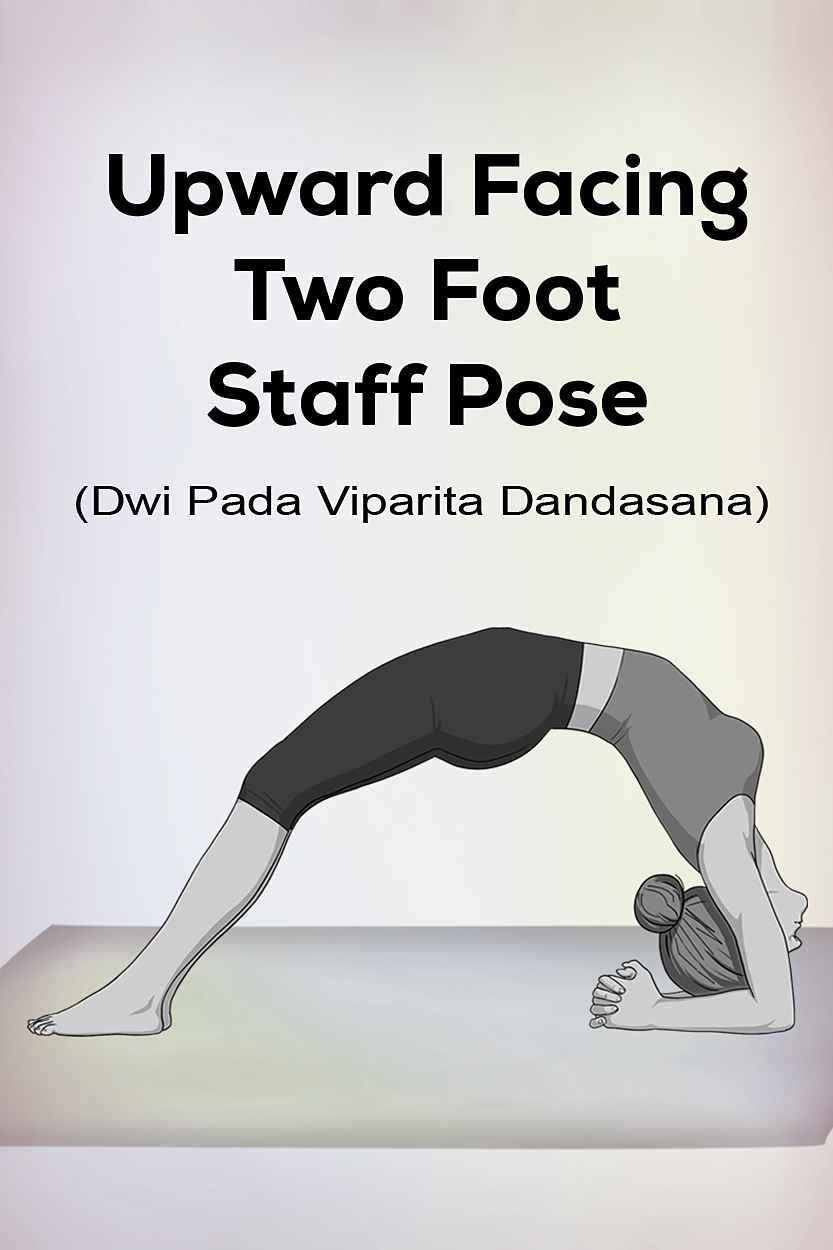
The Upward Facing Two Foot Staff Pose is a deep backbend and inversion you will find in advanced yoga. It appears in Iyengar Yoga, the Ashtanga Intermediate Series, and strong Vinyasa practices.
In this pose, you create an inverted arch. Your chest lifts toward the sky, your feet press into the ground, and your forearms hold your upper body. The shape pushes your spine and shoulders to open while your legs, core, and controlled breath. work hard to keep you steady.
Why It is Considered Advanced
The pose demands:
- Open shoulders
- Strong glutes and hamstrings
- Excellent spinal mobility
- Stable forearm strength
- Confidence in backbends and inversions
Because of this, yoga schools list it as an advanced-level asana, not recommended for beginners without supervision.
Benefits of Upward Facing Two Foot Staff Pose
When practiced with proper preparation and guidance, this pose can offer several physical and mental benefits.
1. Deep Spinal Extension
The pose creates full spinal extension from the cervical to the lumbar region. This helps:
- Improve mobility in the thoracic spine
- Strengthen the muscles surrounding the vertebrae
- Reduce stiffness caused by long hours of sitting
Spinal extension can reduce tension around the lumbar area when practiced with proper alignment.
2. Stronger Shoulders and Upper Back
The forearm support loads the shoulder girdle and upper back muscles. This improves stability in the:
- Trapezius
- Rhomboids
- Deltoids
- Rotator cuff muscles
This upper-body strength is useful for arm balances, backbends, and daily posture.
3. Opens the Chest and Improves Breath Capacity
The chest expands fully in this pose. This can help:
- Reduce stiffness in the rib cage
- Improve lung capacity with consistent practice
- Counteract the forward-rounded posture from using phones or computers
Chest opening postures are commonly recommended by yoga therapists to support healthier breathing patterns.
4. Strengthens the Lower Body
Your legs stay actively engaged. This activates:
- Quadriceps
- Glutes
- Hamstrings
- Calves
The powerful leg engagement stabilizes the entire backbend and protects the spine.
5. Mental Focus and Confidence
Like many inversions, the pose requires focus, calm breathing, and steady awareness. Practitioners often report:
- Better concentration
- A sense of accomplishment
- Reduced anxiety after practice
Deep backbends are known in yoga philosophy to stimulate energy and encourage emotional openness.
Who Should Practice This Pose?
This posture is designed for:
- Intermediate to advanced yoga practitioners
- Students comfortable with full wheel pose (Urdhva Dhanurasana)
- Those who already have healthy shoulder and spine mobility
Avoid this pose if you have:
- Spinal injuries
- Shoulder impingement
- Chronic wrist, elbow, or neck issues
- Uncontrolled high blood pressure
- Recent surgery
- Pregnancy
For these conditions, major yoga schools and physical therapists say that deep backbends increase the risk in these conditions, so they should either not be done or these yoga poses should be done only under professional guidance.
How to Prepare for Upward Facing Two Foot Staff Pose
Before attempting this pose, work on building the foundation. Many trusted yoga lineages recommend warming up with the following categories:
1. Shoulder Openers
Helps release tension and create mobility.
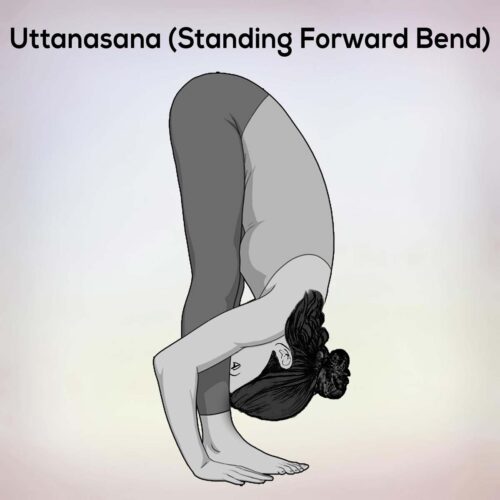
- Uttanasana (Standing Forward Bend)
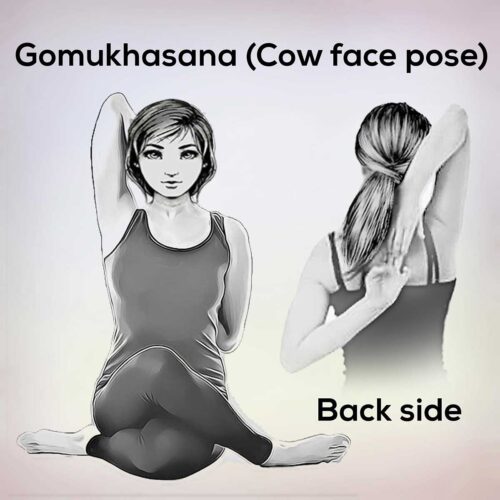
- Gomukhasana (Cow face pose)
- Reverse Prayer or Cow Face stretch
2. Spine Warm-Ups
Brings flexibility into the thoracic and lumbar spine.
- Cat-Cow
- Sphinx Pose
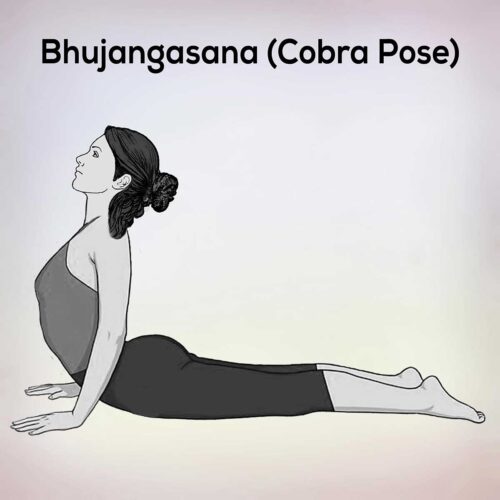
- Cobra Pose
- Locust Pose
3. Backbend Builders
These postures strengthen the glutes, hamstrings, and back muscles.
- Bridge Pose
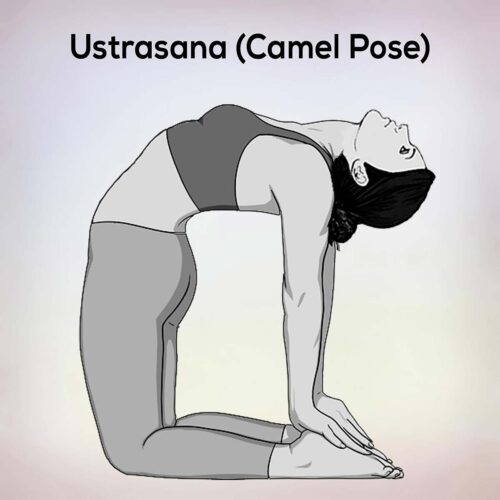
- Camel Pose
- Wheel Pose
- Forearm Wheel Variations
Many yoga teachers recommend being able to hold Wheel Pose steadily before moving toward Dwi Pada Viparita Dandasana.
Upward Facing Two Foot Staff Pose: Step-by-Step Guide

Take your time with each step and maintain a smooth breath.
Step 1: Start in Wheel Pose
Begin in Urdhva Dhanurasana with feet hip-distance apart and palms pressing firmly against the floor. Engage your thighs and lift your chest.
Step 2: Lower to Your Forearms
Gently bend your elbows one at a time and place your forearms on the mat. Your elbows should remain shoulder-width apart. Keep the chest lifted as you transition.
Tip from Iyengar Method: Avoid flaring the elbows outward. This protects the shoulders and distributes weight evenly.
Step 3: Walk Your Feet Closer
Shift your weight slightly toward your heels. Bring your feet closer so your legs support more of your backbend. Keep your core active.
Step 4: Lift Through the Chest
Push down through your forearms and feet. Let your chest rise and move forward. This deepens the arch safely without collapsing the lower back.
Step 5: Hold the Pose
Breathe slowly. Aim for 3-5 steady breaths.
You should feel a strong, spacious extension – not compression.
Step 6: Exit Safely
To release:
- Lower your head gently
- Bring your chin toward your chest
- Lower your spine onto the mat, one vertebra at a time
Never drop out of the pose quickly; controlled exits protect the spine and shoulders.

Common Mistakes to Avoid
Even experienced practitioners stumble here. These mistakes can reduce the benefits or cause strain.
1. Collapsing the Lower Back
This often happens when leg strength is low. Engage your thighs and glutes to lift the hips and distribute the curve evenly.
2. Elbows Sliding Outward
When the elbows widen, shoulders bear too much pressure. Keep elbows shoulder-distance apart.
3. Holding the Breath
Deep backbends require smooth, steady breathing. Breath retention builds tension and reduces stability.
4. Rushing Into the Pose
This posture rewards slow, mindful preparation. Without adequate warm-up, the shoulders and spine experience unnecessary strain.
Variations and Modifications
Every body moves differently. These variations help you progress safely.
Supported Variation (With Blocks)
Place two yoga blocks under your shoulders. This reduces the intensity and gives beginners a taste of the shape.
One-Leg Variation
Advanced practitioners may extend one leg upward. This deepens the opening and challenges balance.
Against a Wall
Practicing with your feet against a wall creates stability. This is commonly used in Iyengar classes.
How Often Should You Practice It?
Deep backbends need recovery. Most yoga teachers recommend:
- 2–3 times per week
- Adequate warm-up each session
- Counterposes afterward
Avoid doing it daily if your back or shoulders feel tight or fatigued.
Counterposes After Practice
After intense backbends, balance your spine with gentle forward folds and neutralizers.
- Good options include:
- Child’s Pose
- Supine Twist
- Seated Forward Fold
- Happy Baby Pose
This helps relax the spine and restore its natural alignment.
Safety Tips Backed by Trusted Yoga teacher
1. Warm-Up Is Non-Negotiable
According to the Ashtanga Yoga Institute in Mysore, deep backbends without preparation increase injury risk.
2. Avoid Forcing the Spine
The Yoga Alliance emphasizes that pain in the lower back is a sign to stop, not push harder.
3. Use Props When Needed
Iyengar Yoga uses props extensively to support alignment and protect joints.
4. Listen to Your Breath
Smooth breathing equals safe practice. If you can’t breathe easily, you’re beyond your comfortable range.
Why This Pose Matters in an Advanced Yoga Journey
Advanced yoga isn’t just about flexibility. It’s about:
- Body awareness
- Controlled strength
- Emotional resilience
- Breath-driven movement
Upward Facing Two Foot Staff Pose teaches you to stay calm in challenge. It sharpens your focus and builds trust in your body.
You learn how to meet intensity without force – an important lesson both on and off the mat.
FAQs
Q1. Is Upward Facing Two Foot Staff Pose safe for beginners?
No. This pose is considered advanced because it requires strong shoulders, open hips, and a flexible spine. Beginners should start with foundational backbends like Bridge Pose or Wheel Pose before attempting it.
Q2. What should I practice before trying this pose?
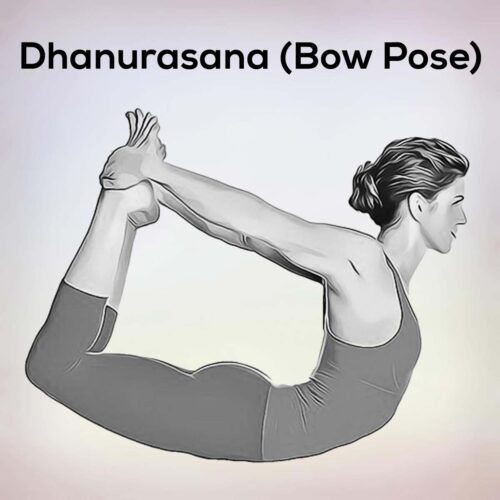
Warm up with shoulder openers, chest expansion poses, and progressive backbends such as Cobra, Bow, Camel, and Wheel. These poses prepare your muscles and joints for deeper extension.
Q3. How long should I stay in the pose?
Most advanced practitioners hold the pose for 3 – 5 slow breaths. The duration depends on strength, breath control, and comfort. You should never feel sharp pain or compression.
Q4. What muscles work the most in this pose?
Your shoulders, triceps, chest muscles, spinal extensors, glutes, and hamstrings stay highly active. The core also works to prevent collapsing into the lower back.
Q5. Can this pose help improve posture?
Yes. The pose opens the chest, strengthens the upper back, and stretches the front body – helping counteract sitting posture and forward-rounded shoulders.
Q6. Is this pose helpful for breathing capacity?
It can be. Chest-opening backbends expand the rib cage and create more space for deeper breathing, especially when practiced consistently.
Q7. Should I use props while learning it?
Yes. Many practitioners use blocks or a wall for stability. Iyengar-style classes often encourage props to maintain safe alignment.
Legal Disclaimer: Before participating in any exercise program or using any fitness products or services that may be described and/or made accessible in or through the Nexoye Website and/or the Services, you should consult with a physician or other healthcare provider.